Sensory Plasticity
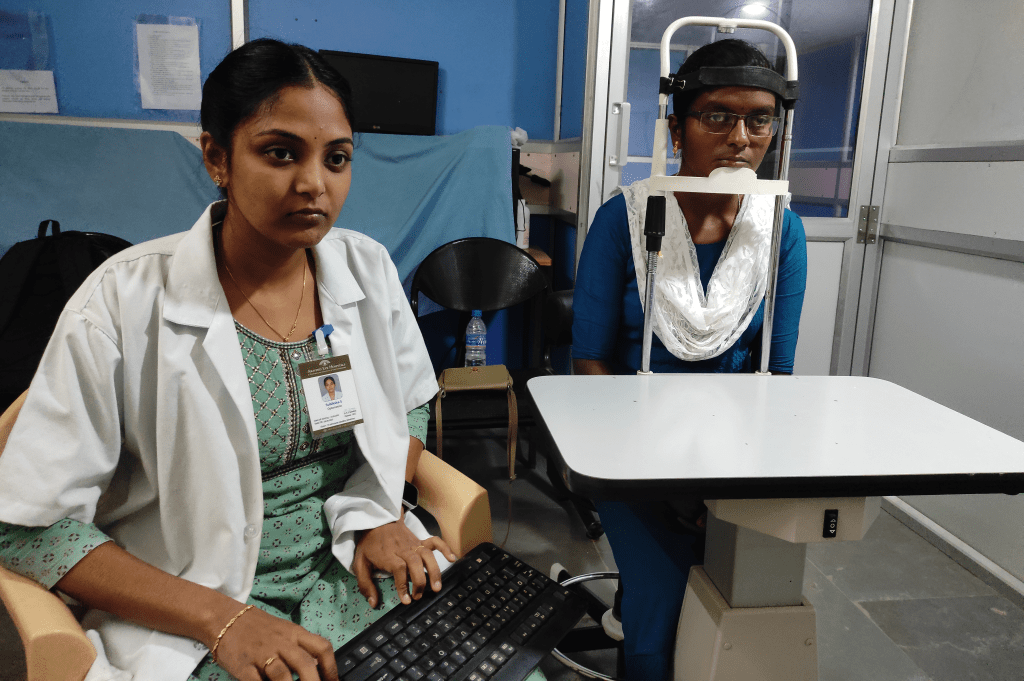
We investigate how the timing of visual experience influences perceptual mechanisms (natural priors (e.g., the oblique effect), depth cues integration, and cross-modal recalibration) by studying individuals with congenital and developmental cataracts.
This research is conducted in collaboration with Aravind Eye Hospital in India, where we have access to a unique population of individuals with varying degrees of visual impairment.
The impact on learning of onset, duration, and type of deprivation provides valuable insights into sensitive periods in neural development during which sensory experience shapes the brain’s perceptual systems that enhance our understanding of neural plasticity and inform therapeutic approaches for individuals with visual impairments.
Visual Perception and Attention
Using traditional behavioral measures with sensitive physiological techniques like pupillometry which can identify subtle individual differences in attention and perception, we study aspects of visual processing, including intertrial priming, feature-distribution learning, and visual crowding, in both autistic and non-autistic individuals.


Decision-Making In Autism
Using behavioral tasks and psychophysical methods like Signal Detection Theory, we study how individuals process both simple stimuli (e.g., line orientations) and complex ones (e.g., emotional facial expressions) when making perceptual judgments.
Through computational modeling of optimal decision strategies, we evaluate whether different sources of information (e.g., prior knowledge, sensory information, and decision-related costs) are integrated efficiently during the decision-making process, to identify specific areas where information processing may differ in autism.
Visual Perception Aspects of Reading
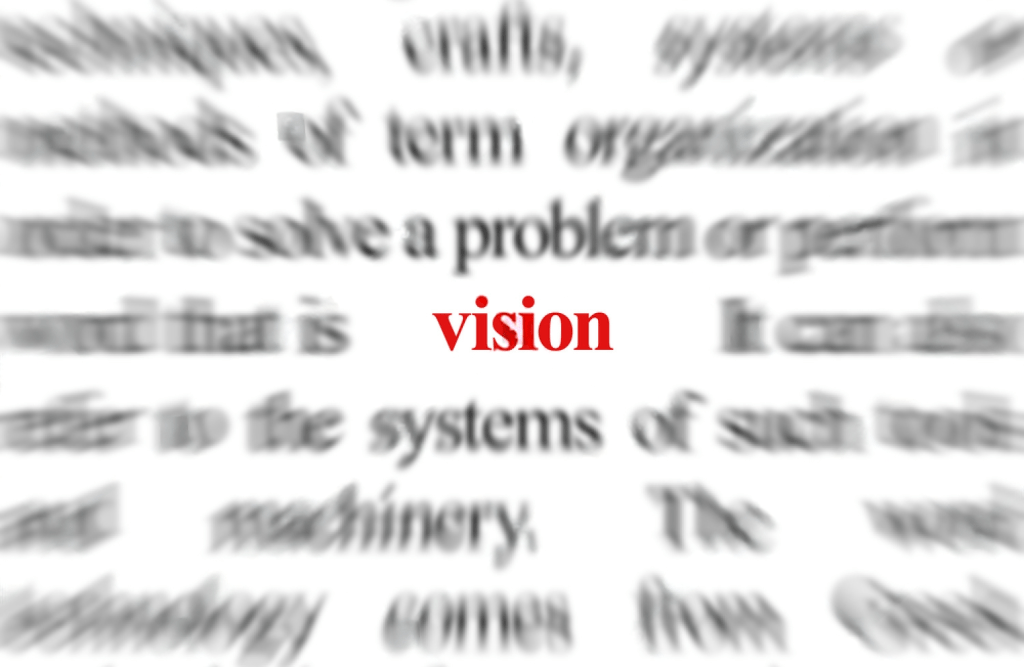
Reading is a complex process critically dependent on visual perception, particularly the accurate recognition of letters. Visual crowding, where surrounding visual information interfere with target letter identification, poses a significant challenge.
Through longitudinal studies with both adults and children, we explore how lexical (word-level) and sublexical (letter fragment) information aids perception, and the interplay between crowding effects and reading. Similar to studies on sensory plasticity, our work examines how visual experience, specifically with letter recognition, shapes perceptual mechanisms related to reading. This research helps identify individual differences in reading proficiency and informs the development of targeted interventions and optimal display methods for reading instruction.
 Yashar Lab